
Where To Stay In The Dolomites: 6 Best Areas (+ The Worst!)
Choosing where to stay in the Dolomites is one of those decisions that seems simple – until you start researching. Suddenly you’re looking at dozens of mountain towns, all with stunning views, all highly recommended, and all claiming to be the “best base.”
If you’re planning your first trip to the Dolomites – or trying to choose a single base that won’t quietly complicate your itinerary – this decision matters more than most people expect.
We’ve traveled to the Dolomites more times than I can count and stayed all over the region – from Anterselva and Dobbiaco to Cortina, San Cassiano in Alta Badia, all the towns in Val Gardena, and even quieter spots like Obereggen in Val d’Ega. And if there’s one thing we’ve learned, it’s that not all Dolomites bases are created equal.
Some places make exploring easy and efficient without spending too much time in the car. Others are beautiful but better suited to slower trips or very specific travel styles. And a few look perfect on paper but come with longer drives or logistics that often catch first-time visitors off guard once they’re actually there.
So let’s go through the best places to stay in the Dolomites based on how you actually want to explore the region – whether you prefer hiking, food, skiing, or anything else – so you can choose a base that supports the kind of trip you want, rather than quietly working against it.
And if you’re planning your first visit and are too overwhelmed about everything, this breakdown of how to choose the right base for your first Dolomites trip will help you get oriented.
This post might contain affiliate links, which means that if you purchase anything via them, we might earn a small commission – at no extra cost to you. Check our disclaimer policy for more information.
As an Amazon Associate we earn from qualifying purchases.
Val Gardena – Best Overall, Best Area For Your First Trip, and Best for Hiking

- Multiple towns with accommodation options for all budgets
- Gateway to the Western Dolomites: Alpe di Siusi, Seceda, Val di Funes etc.
- Many great hikes
- Ski and snowboarding options
- Sightseeing for non-hikers
- Everything from shops to restaurants to markets
- Great public transport access
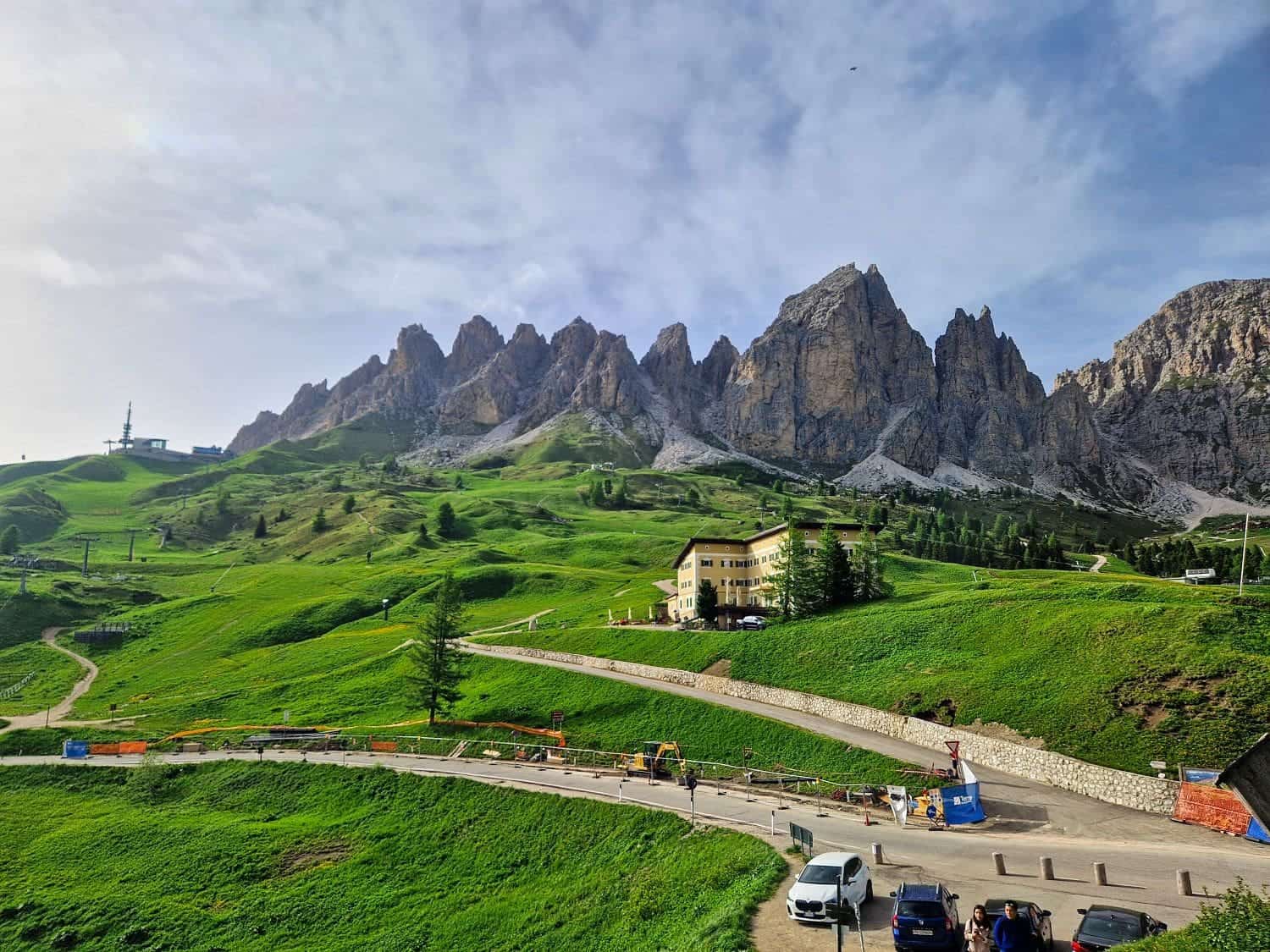
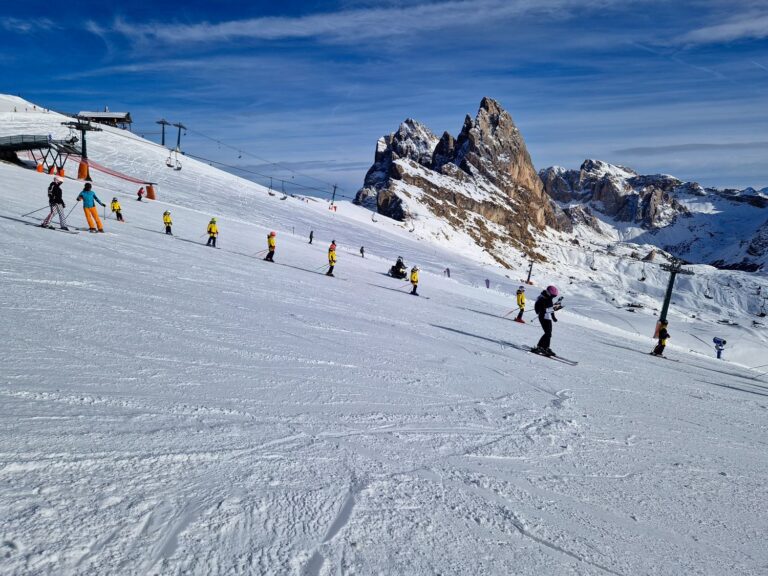
Val Gardena is the best overall place to stay in the Dolomites, especially for your first trip, because it offers the strongest combination of scenery, access, and flexibility. The valley is ideally positioned for exploring the Western Dolomites, with direct access to some of the region’s most iconic landscapes, including Seceda, Alpe di Siusi, and a dense network of mountain passes that make day trips feel varied rather than repetitive.
Staying in Val Gardena means you can experience dramatic ridgelines, wide alpine meadows, and classic Dolomites viewpoints without constantly relocating or committing to long, inefficient drives.
It works especially well for travelers who want to balance hiking, scenic drives, and lift-accessible viewpoints while keeping their itinerary fluid. Whether it’s your first trip or a return visit, Val Gardena supports a wide range of travel styles without quietly limiting what you can see.
There’s hiking, paragliding, and sightseeing in the summer or winter, and skiing, snowshoeing, and so many other activities. This makes it an especially strong base if you want your days to feel different from one another, rather than repeating the same type of scenery over and over.
Val Gardena also works well because it gives you multiple planning options at once. You can build an itinerary that focuses heavily on outdoor activities, mix hiking days with scenic drives over nearby passes, or keep plans flexible depending on weather without feeling stuck in a single corner of the Dolomites. That flexibility is what makes it such a reliable choice for longer stays and return visits, not just first-time trips.
The only problem is, if you’d like to see places such as Tre Cime, Lago di Braies, or Prato Piazza, it’s quite far to travel. It might not seem that way on a map, but those mountain roads take time. That’s why I really suggest splitting your stay in two parts if the time allows – one for each side of the Dolomites.
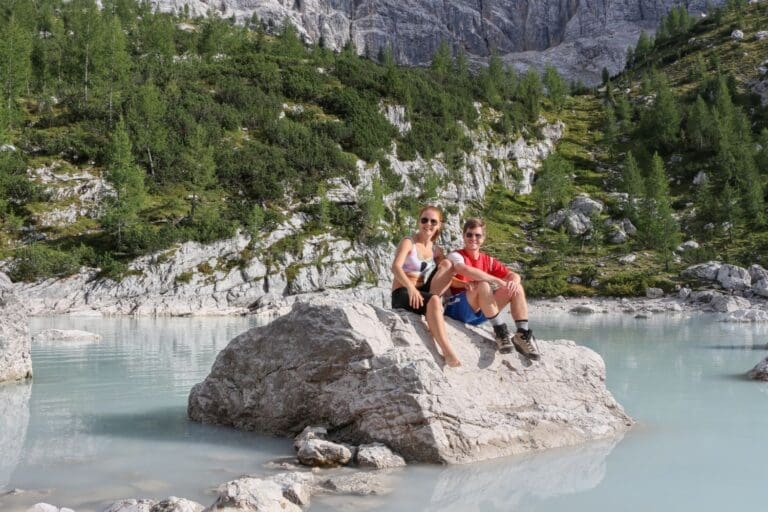
On our first trip, we stayed in Cortina, a bit out of the town center, and it was a lovely stay. We hiked the Tre Cime and Lake Sorapis, as well as got to enjoy some tasty food. So I can say it’s a strong alternative for Val Gardena – for enjoying the Eastern Dolomites.
📍Budget Option: Smarthotel Saslong in Santa Cristina – close to lifts and a bus stop.
📍Budget Option: Hotel Garni Morene in Selva – great location, nice rooms, good food.
📍Mid-Range Option: Monte Pana Dolomites Hotel in Santa Cristina – nice and quiet location, great view. We loved our stay here.
📍Mid-Range Option: Boutique Hotel Nives – Luxury & Design in Selva – nice views, great spa and wellness, perfect location.
📍Luxury Option: Adler Spa Resort Dolomiti in Ortisei – enormous spa area, perfect location, overall a great hotel.
📍Luxury Option: Gardena Grödnerhof – Hotel & Spa in Ortisei – great view, spa, and food.
Val Gardena – Where To Stay In The Dolomites For Hiking
If you’re going to the Dolomites for hiking, you pretty much have to choose between the Val Gardena area and Cortina d’Ampezzo.
Val Gardena wins out for me, though, because it combines trail density with easy access, rather than almost always requiring transfers to reach good starting points.
Many of the most popular hikes there are either lift-accessible or begin close to the villages, which makes it easier to plan full hiking days without spending hours driving before and after.
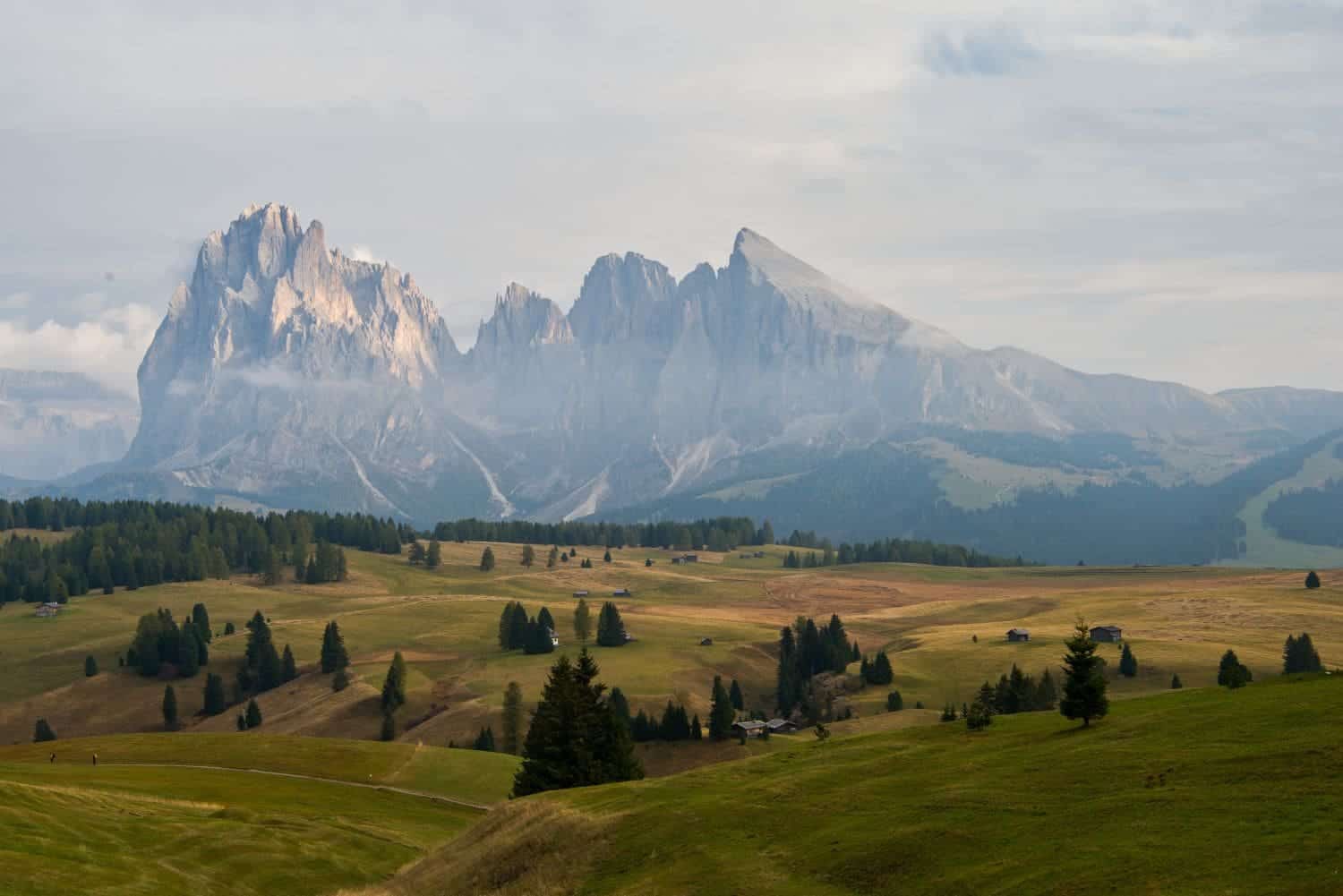
From Val Gardena, hikers can access a wide range of landscapes within a relatively small area. Hike around the Sassolungo group, including classic loop hikes with expansive mountain views. Or maybe do the Puez-Odle Altopiano hike for some unique angles.
These and many other hikes are really dramatic, yet remain straightforward to reach from the valley, making them well suited to both full-day hikes and more flexible itineraries.
If you’re in Ortisei, take the Rasciesa funicular for an easy walk with magnificent views of the Sassolungo, Sella, and even Seceda.
From Santa Cristina, go to Monte Pana and Mont Sëura – soak in the views of the surrounding mountains with almost none of the crowds, and fly down the mountain with a zipline.
This range of hiking options is what makes Val Gardena stand out as a base. You can plan ambitious days when weather conditions are ideal, adjust plans easily if conditions change, and mix longer hikes with shorter or lift-assisted walks without feeling like you are compromising the experience.
For travelers who want hiking to be a core part of their trip while still maintaining flexibility, Val Gardena offers one of the most balanced setups in the Dolomites.
As an alternative for Val Gardena, Cortina d’Ampezzo is also a great option.
📍Budget Option: Hotel Sureghes in Ortisei – perfectly located next to Alpe di Siusi lift and close to the center, incredible food, superb staff. Read a review of our stay.
📍Mid-Range Option: Linder Cycling Hotel in Selva – nice rooms, beautiful spa.
📍Luxury Option: Alpenhotel Plaza in Santa Cristina – located right in the center.
Cortina d’Ampezzo – Best Place To Stay In Summer
- Traditional alpine style
- Great facilities
- Many good hotels
- Great access to most of the best hikes in the Eastern Dolomites
- Faloria lift that offers panoramic views of the area runs the whole year long
- Great access to sightseeing without hiking
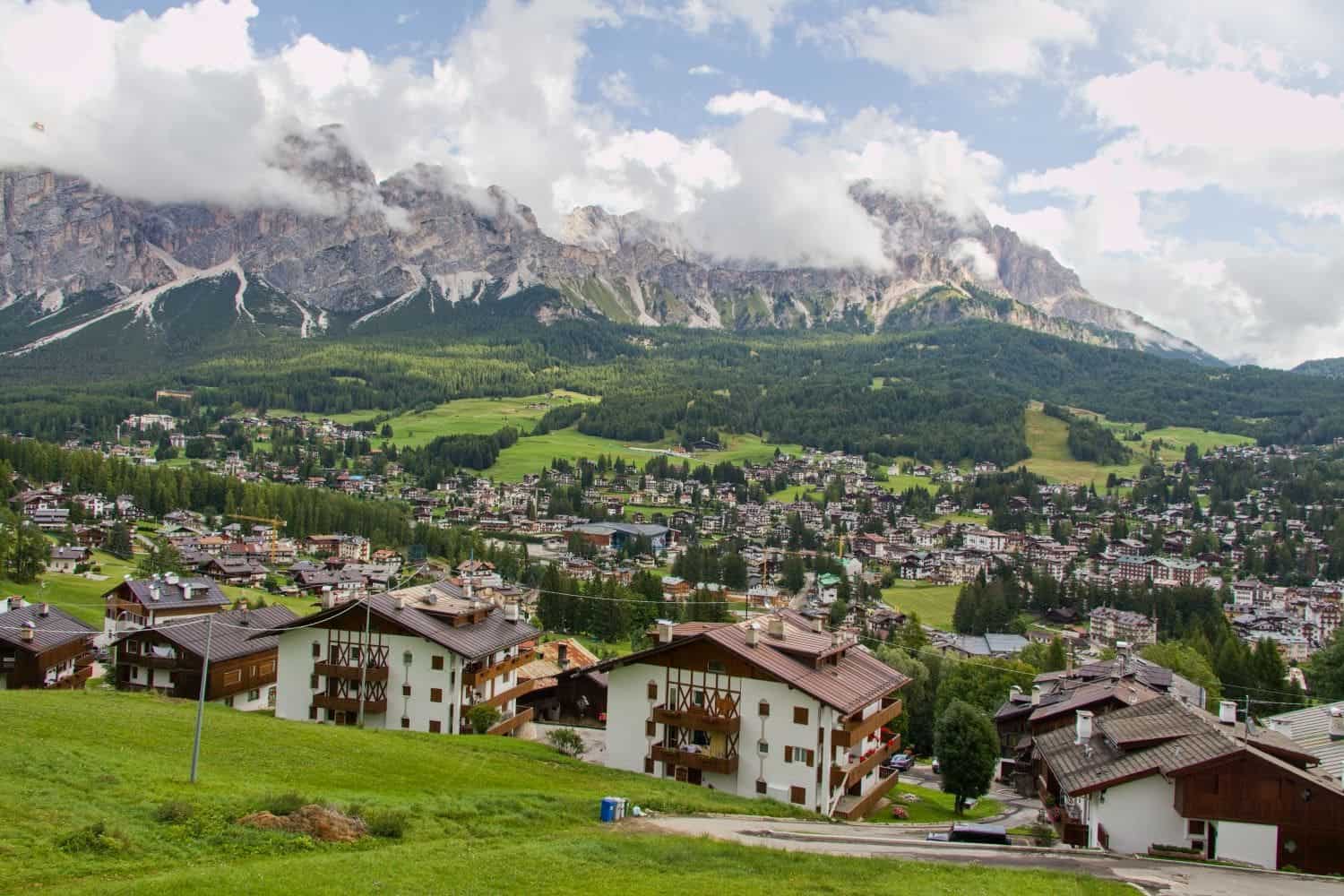
Cortina d’Ampezzo is the best place to stay in the Dolomites if your trip is focused on summer scenery and some of the most iconic landscapes in the Eastern part of the Pale Mountains.
From Cortina, it’s easy to reach a concentration of famous Dolomites sights, including Tre Cime di Lavaredo, Lake Misurina, the Cadini di Misurina viewpoint, Val Fiscalina, Cinque Torri, Passo Giau, and the high alpine plateaus of Prato Piazza, and so, so much more.
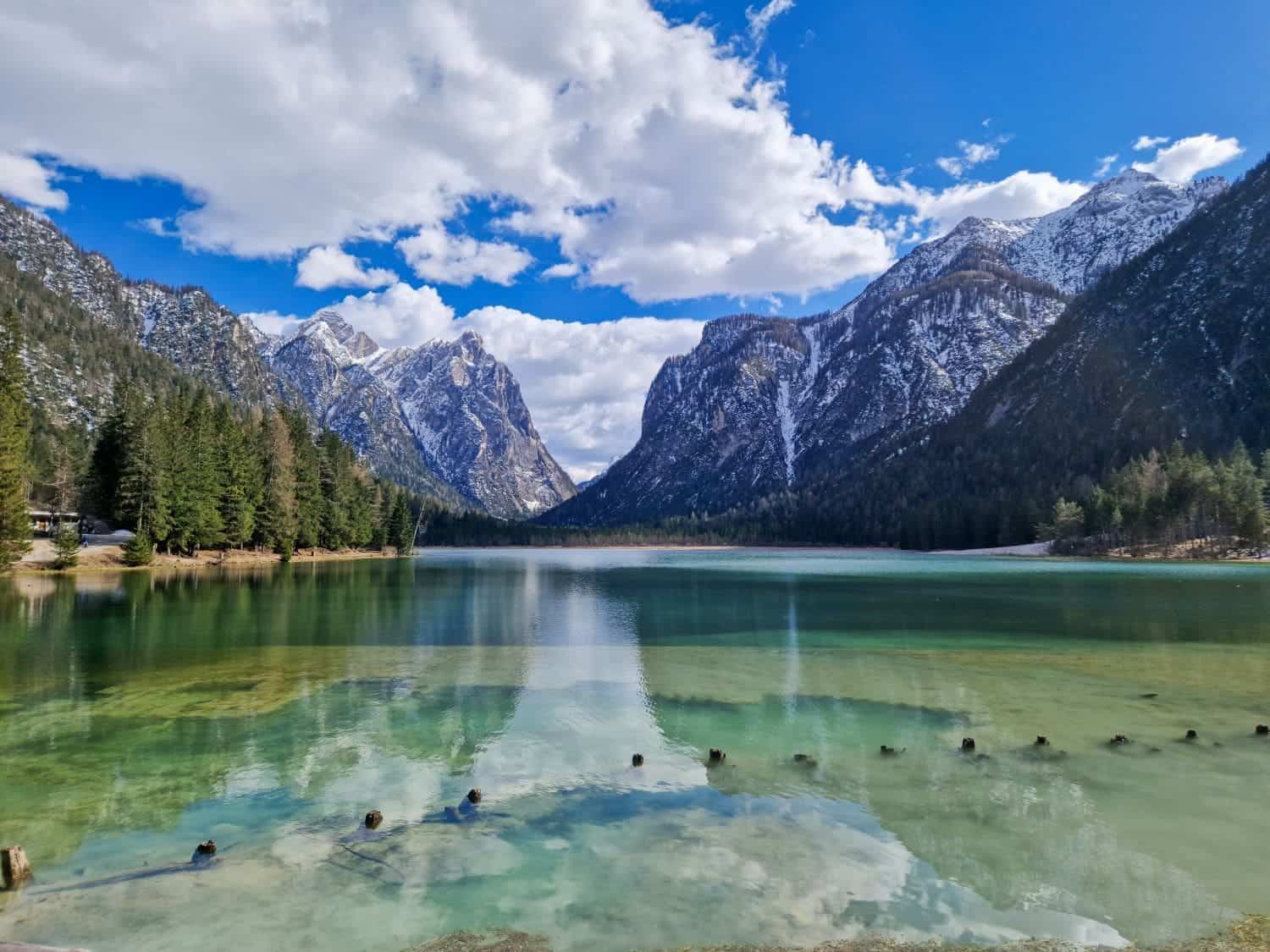
The surrounding area is also dotted with striking lakes such as Lago di Braies and Lago di Landro, which are especially appealing in summer when you can see the reflections in the lakes.
Staying in Cortina makes sense if your priority is immersing yourself in this scenery rather than using your accommodation purely as a practical base.
Summer is when the area really shines, with a mix of hiking, scenic drives, and short excursions that don’t require constant long-distance planning.
Cortina itself is also part of the appeal. It’s one of the most iconic towns in the Dolomites, with a lively atmosphere, good dining, and a sense that it’s a destination in its own right, not just a place to sleep between hikes.
📍Budget Option: Hotel Oasi – located just by the Faloria Cable Car. We stayed there on a fall trip, and loved the central location.
📍Mid-Range Option: Hotel Lajadira&Spa – on the edge of Cortina, a hotel with a nice spa. We really loved the quiet-er area.
📍Luxury Option: Grand Hotel Savoia (a Radisson group hotel) in the very center of Cortina. It offers amazing views, too.
Alta Badia – Best for Food, Luxury, and Slower Travel
- Slower, more luxury, great for couples and special occasions
- Great wellness areas in the hotels
- Easy access to panoramic views with lifts and cable cars
- Some of the best culinary experiences in the Dolomites
- Many great Ladin heritage museums
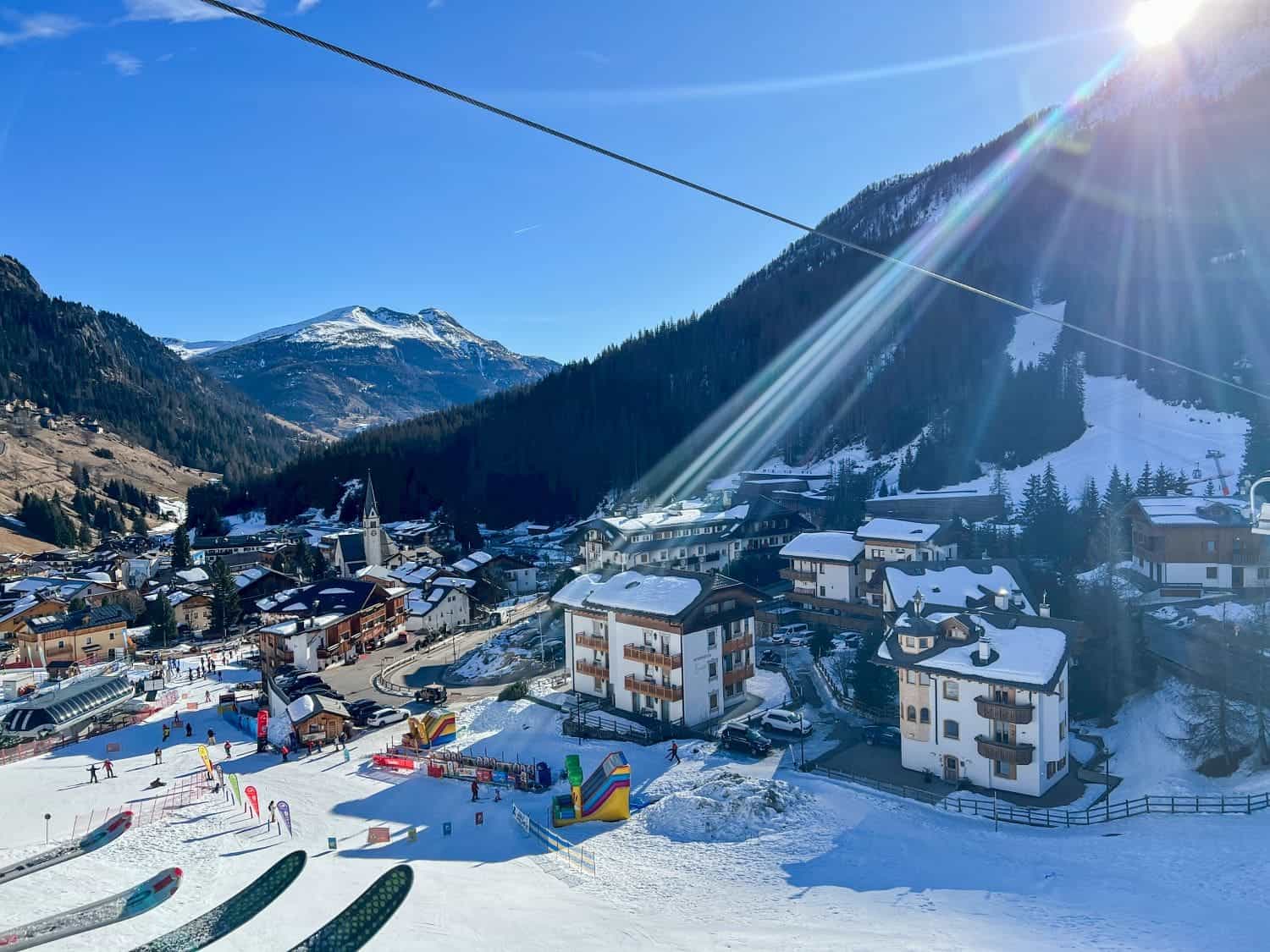
Alta Badia is one of the best places to stay in the Dolomites if you’re looking for a calmer, more refined mountain experience.
This is not a base chosen for efficiency or constant movement, but for travelers who want their trip to feel polished, comfortable, and intentionally slower. The villages here are well organized and understated, with a strong sense of place that prioritizes quality over scale.
What makes Alta Badia stand out is the overall atmosphere. Days tend to revolve around enjoying where you are – whether that means lingering lunches, relaxed walks, or simply returning to a comfortable base each evening.
Alta Badia is centrally positioned enough to allow for day trips if you are willing to spend more time driving, but it works best when you embrace a slower rhythm and let the destination itself set the pace. Mix the slower days in the valley with day trips to Val Gardena, Val di Funes, or even Lake Braies or Tre Cime.
In winter, skiing becomes part of the experience. It’s scenic and enjoyable, often paired with long mountain lunches and a more relaxed approach to time on the slopes. Rather than chasing first tracks or maximizing lift mileage, many travelers come for the balance of mountain scenery, comfort, and lifestyle.
This makes Alta Badia especially appealing for couples, food-focused travelers, and anyone who wants their Dolomites trip to feel elegant rather than action-packed.
The slower rhythm of life probably explains why hotels here often have a minimum stay requirement – usually 3 or 7 nights.
📍Budget Option: Hotel Cavallino in Badia – just 100m from a ski lift, with a small spa.
📍Mid-Range Option: Sporthotel Panorama in Corvara – lots of winter activities and a wellness available.
📍Luxury Option: Hotel Cappella in Colfosco – a ski-in ski-out hotel with a superb spa and wellness.
Alta Badia for Food and Mountain Cuisine
- Highest concentration of Michelin-Starred restaurants in the Alps
- Ladin food
- Both Italian and Austrian food available
- Hotels have great food and highly-rated chefs
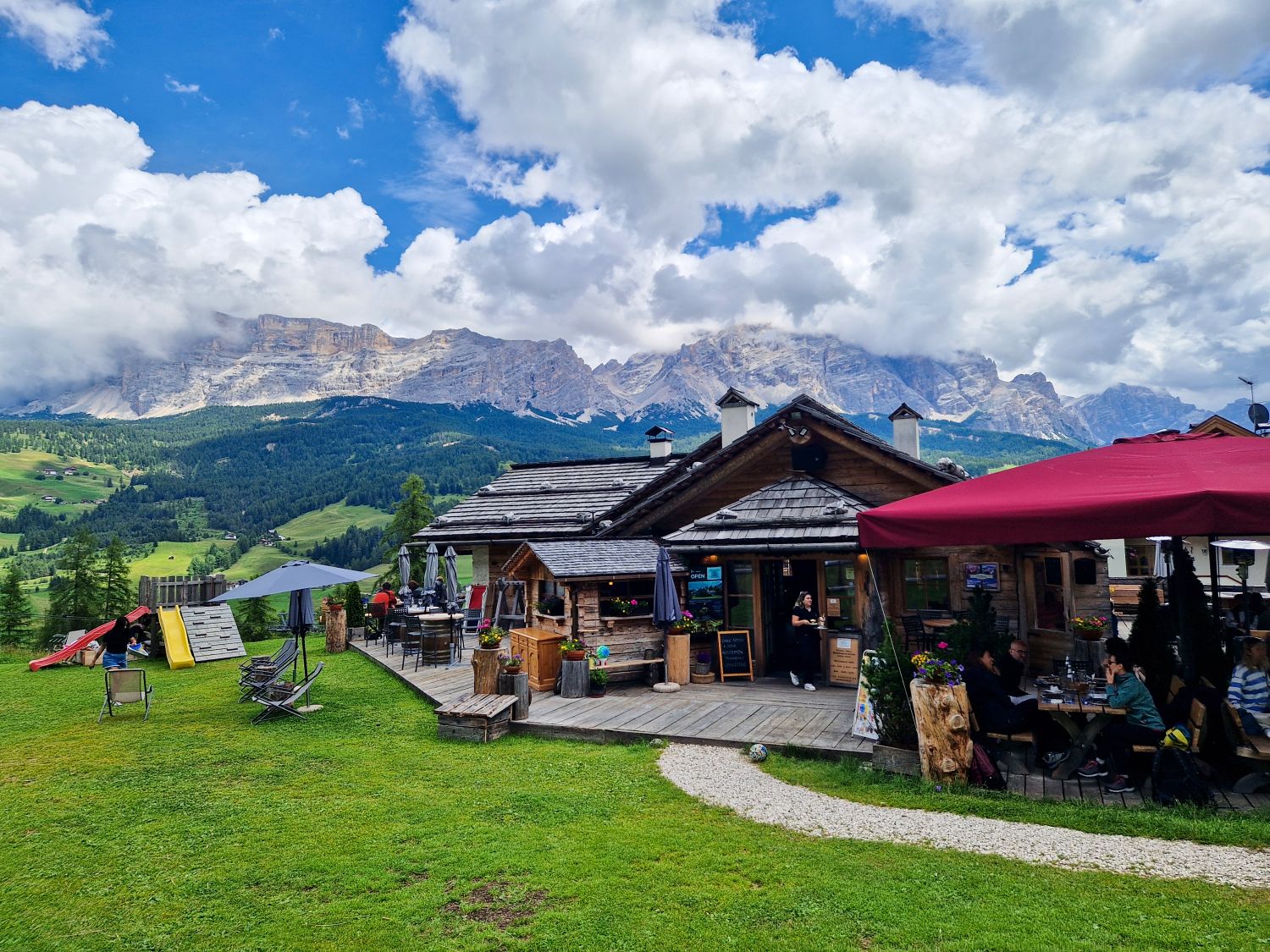
Food is one of the main reasons travelers choose Alta Badia, and it’s a defining part of the experience year-round, not just in winter.
The region is known for its strong culinary culture, where traditional Ladin dishes sit alongside refined alpine cooking, often with an emphasis on local ingredients and careful preparation. From cozy mountain huts serving hearty classics to polished restaurants in the villages, meals tend to feel thoughtful rather than rushed or overly touristy.
This is a place where lunch on the mountain can be just as memorable as dinner back in town, and where food becomes part of the rhythm of the trip rather than something scheduled around sightseeing.
For travelers who value dining as much as scenery, Alta Badia offers the perfect kind of Dolomites experience. It’s less about chasing landmarks and more about slowing down, enjoying where you are, and letting meals become a highlight rather than an afterthought.
That balance is what makes Alta Badia especially appealing for longer stays, winter trips, or anyone who wants their time in the mountains to feel as good at the table as it does on the slopes or trails.
📍Budget Option: Hotel Alpenrose Dolomites in La Valle – good price, a well-rated restaurant on site, and close to many great restaurants in the area.
📍Mid-Range Option: Hotel Cristallo in La Villa – conveniently located next to great restaurants.
📍Luxury Option: Hotel La Perla in Corvara – a 5-star hotel which has a Michelin-starred restaurant on site.
Val di Fassa – Best Place to Stay for Skiing
- Easy access to the best ski slopes for all levels
- Hotels and apartments for all budgets
- Most hotels have great spa and wellness areas
- Access to other winter activities besides skiing: snowshoeing, tobogganing, winter hiking
- Part of Dolomiti SuperSki
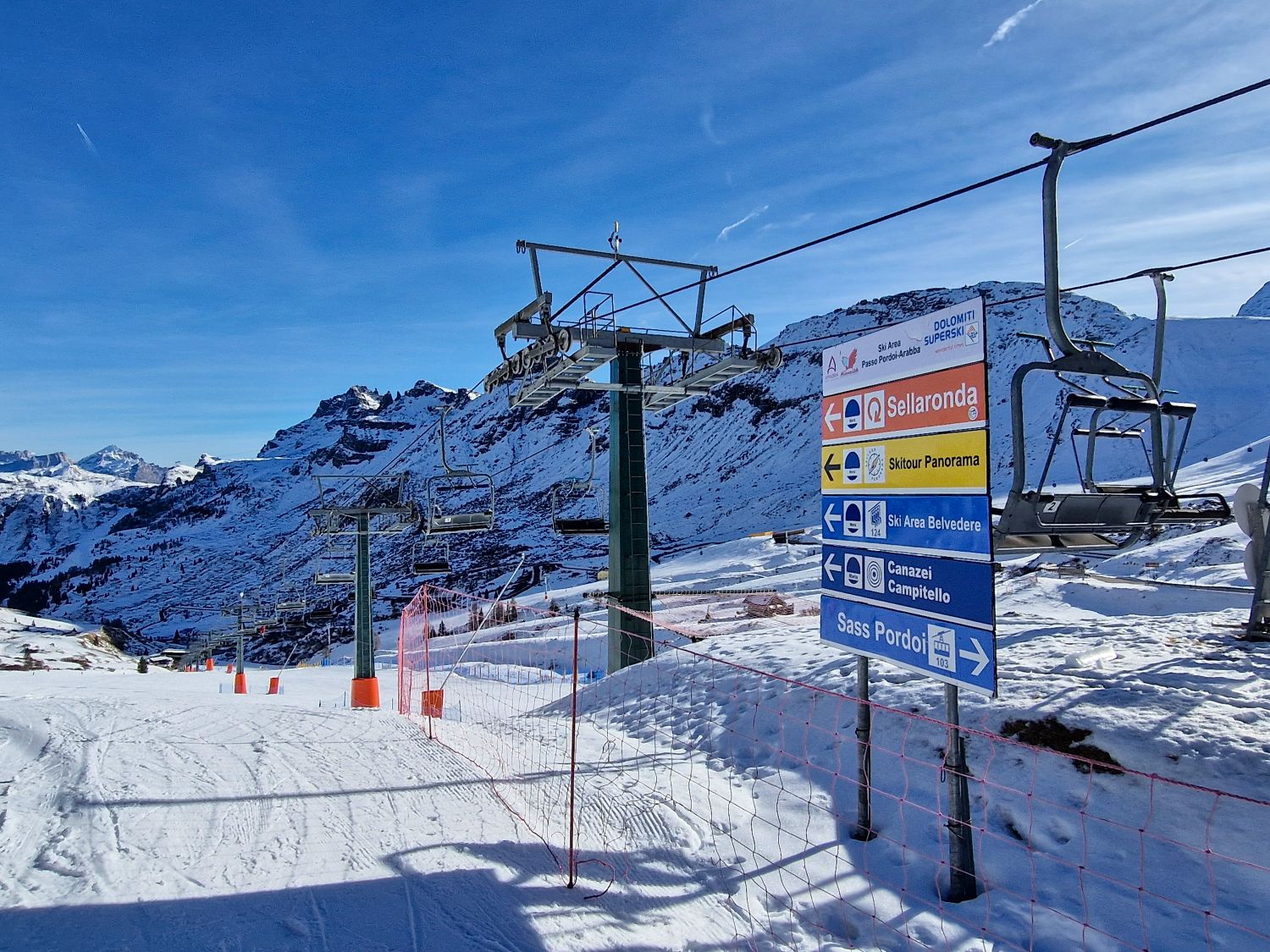
Val di Fassa is an excellent place to stay in the Dolomites if skiing or snowboarding is the main focus of your trip.
The valley offers straightforward access to Dolomiti Superski ski network, making it easy to structure your days around time on the slopes rather than long transfers or complicated logistics. This makes it especially appealing for shorter winter trips or peak season weeks, when efficiency matters.
From Val di Fassa, you can access roughly 200 km of slopes for all levels, including highlights like the Sellaronda, Marmolada, Pra di Tori, and the Carezza ski area. In addition to downhill skiing, there are plenty of cross-country skiing options and other winter activities, which adds variety without requiring a change of base.
This is a practical base that works well for travelers who plan to ski most days and want everything to feel simple and functional. Accommodations are spread throughout the valley, ski areas are well connected, and days tend to follow a predictable rhythm with quick access to lifts and clear routes between zones.
Compared to other bases, Val di Fassa places less emphasis on atmosphere or refinement and more on getting you onto the mountain with minimal friction.
We stayed in Carezza for our ski vacation and found it to be a great location. It’s worth noting that while Carezza itself sits in Val d’Ega, the Carezza ski resort is part of the Val di Fassa ski network, which can be confusing for first-time visitors. We enjoyed it enough that we booked a second ski trip.
Val di Fassa is best suited to winter trips where skiing drives the itinerary. If your priority is efficient access to the slopes and full days on snow, rather than lingering lunches or a slower pace, this is one of the most straightforward and effective places to stay in the Dolomites.
📍Budget Option: Hotel Medil in Campitello di Fassa – 350m from Ski Lift Col Rodella, great food, amazing spa, a free ski tour with a guide.
📍Mid-Range Option: Lupo Bianco – Wellness and Walking hotel in Canazei – located right on the slopes of Sella Ronda.
📍Luxury Option: Hotel Alpenrose in Carezza (Val d’Ega) – close to slopes for all levels, ski rental, and ski school. We loved it so much, we’re going there for the second year in a row!
Dobbiaco and San Candido – best base Without a Car
- Great public transport connections: both bus and train
- Great facilities
- More budget-friendly accommodation than the popular places around
- Great access to the best hikes in the area
- Amazing access to sightseeing without hiking (lakes, for example)
Interestingly, the less-known Dobbiaco and San Candido are the best places to stay in the Dolomites if you want to travel without renting a car.
Both towns are well connected by train, and they also offer direct bus connections to some of the region’s most famous sights.
From here, you can reach Tre Cime di Lavaredo and Lake Braies by public bus, which removes the need to deal with parking, mountain driving, or car logistics altogether. It’s also in South Tyrol (Sudtirol/Alto Adige) which means that most of the public transportation is free for staying guests. Ask your hotel for the Sudtirol guest pass!
It’s a setup that works especially well for travelers who prefer trains and buses, or who are visiting Italy without planning to rent a car.
That said, this is not a convenient base for exploring the Western Dolomites. Reaching areas like Val Gardena from Dobbiaco or San Candido by public transport involves long travel times and multiple connections, which quickly becomes impractical.
If your trip is focused on places like Seceda, Alpe di Siusi, or the broader Val Gardena area, staying in Ortisei is a much better option.
Dobbiaco and San Candido work best when you embrace a more contained itinerary. Instead of covering the entire Dolomites, your days revolve around nearby excursions and straightforward connections.
If minimizing logistics is a priority and you want easy access to Tre Cime, Lake Braies, and the surrounding eastern Dolomites without a car, this is one of the most stress-free bases you can choose.
📍Budget Option: Aparthotel Haus Greg in Dobbiaco – an apartment with free parking in the center of Dobbiaco. It felt like home!
📍Mid-Range Option: Hotel Garni LIVING in San Candido – a 3* hotel in a great location with great food.
📍Luxury Option: Romantik Hotel Santer in Dobbiaco – a 4* very beautiful spa hotel with incredible views of the Landro Valley.
Val Pusteria – Where To Stay For Families With Kids
- Multiple towns with accommodation options for all budgets
- Easy access to both sides of the Dolomites
- Many playgrounds for kids, including Mondo Bimbi with the longest slide in South Tyrol
- A lot of great activities for kids and grownups: ziplining, paragliding (also for kids!), hiking, boating, etc.
- Kids-friendly hikes available
Val Pusteria is one of the best places to stay in the Dolomites if you’re traveling with kids and want a trip that feels relaxed and manageable.
The valley is wide and more spread out than many other parts of the Dolomites, which naturally creates a calmer atmosphere and makes it easier to find family-friendly accommodations with space to unwind.
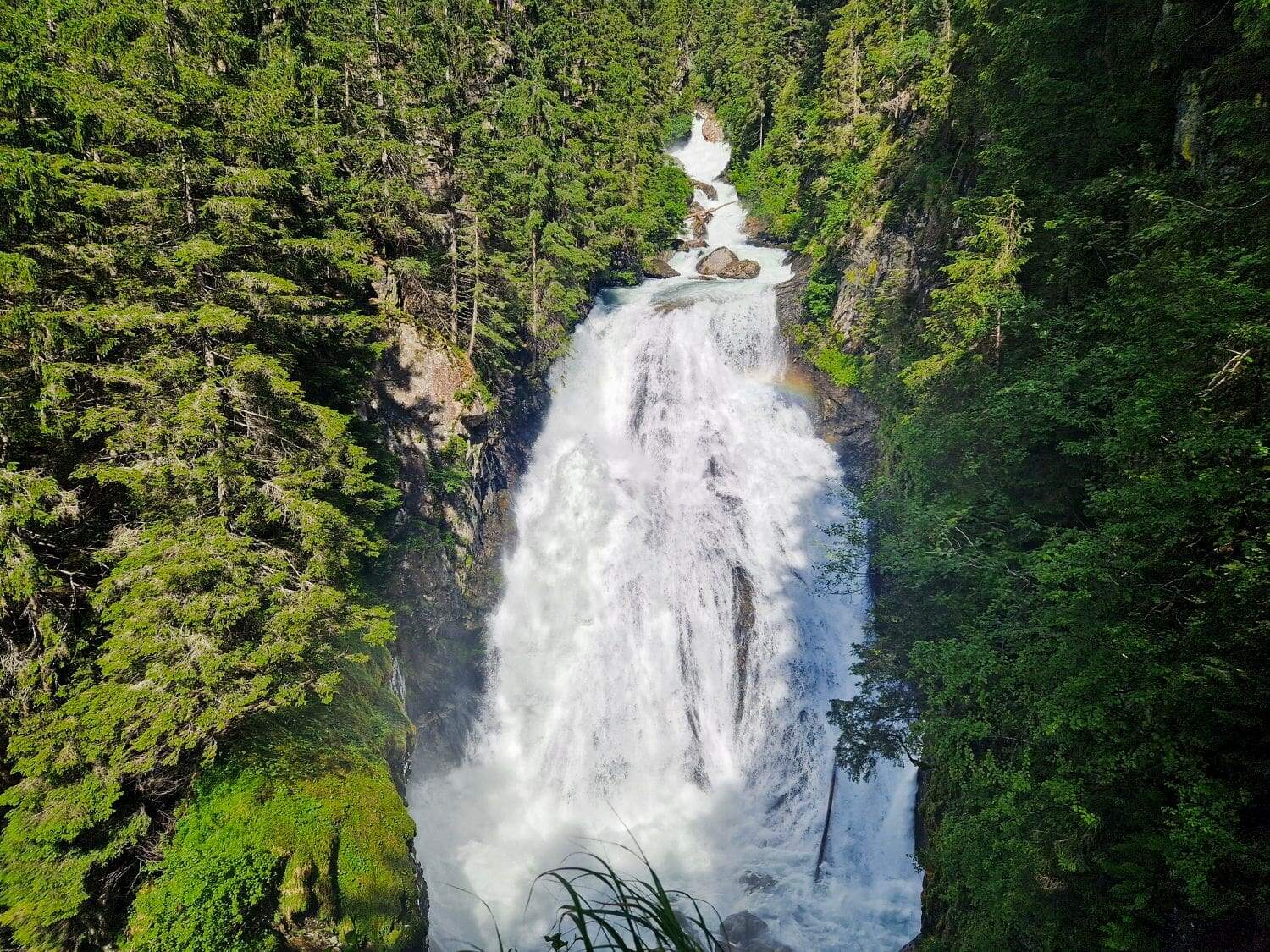
We stayed in Alta Pusteria with Emma, and the amount of outdoor activities for kids genuinely surprised us. There is no shortage of things to do, and not just for children. I even went paragliding here. In the Carnic Alps, Campo Tures specifically, we went ziplining by the impressive Riva waterfalls with Flyline Wasserfall, which ended up being a highlight for all of us.
his area works especially well for families because activities are easy to access and don’t require intense planning. There are plenty of gentle walking paths, bike routes, playgrounds, and viewpoints that are suitable for all ages.
One of the multiple outside playgrounds that we visited,Kids’ World Valdaora, has a slide that’s around 50 meters long. Plan de Corones is another standout, offering activities for kids of all ages, from trampolines to more adventurous options like a beginner-friendly via ferrata designed specifically for children.
When travelling with kids, choosing the right base in the Dolomites is often less about ticking off famous landmarks and more about having places where they can actually play and enjoy themselves, isn’t it?
Val Pusteria also offers a good balance between accessibility and variety. Lakes, nature areas, and small towns are easy to reach without constantly driving over mountain passes, and many excursions feel straightforward rather than exhausting.
Many of the area’s highlights work well with kids, including boating on Lago di Braies, hiking the Cadini di Misurina viewpoint or Prato Piazza, as well as riding Alpine Coasters.
If your priority is creating a Dolomites trip that feels enjoyable for everyone, not just the most active travelers, Val Pusteria is a strong choice.
It’s particularly well suited to longer stays, family trips, and travelers who want scenery and outdoor time without turning every day into a full-scale expedition.
📍Budget Option: Garni – Hotel Am Burghuegel in San Candido – centrally located, close to playgrounds and the Aquafun adventure pool.
📍Mid-Range Option: Hotel Sonnenheim in Chienes – kids’ friendly rooms, play areas, waterworld.
📍Luxury Option: Family Hotel Garberhof in Anterselva; an amazing hotel with a great kids’ club and activities. We loved the staff and activities for kids, even if sometimes there was a bit of a language barrier.
Want to have a trip of a lifetime?
Forget the desperate hours and hours of tedious reading, calculating, thinking, wondering, and putting everything together – we’ll happily do it for you!
Check out more info right here
Where Not To Stay in the Dolomites – Bolzano
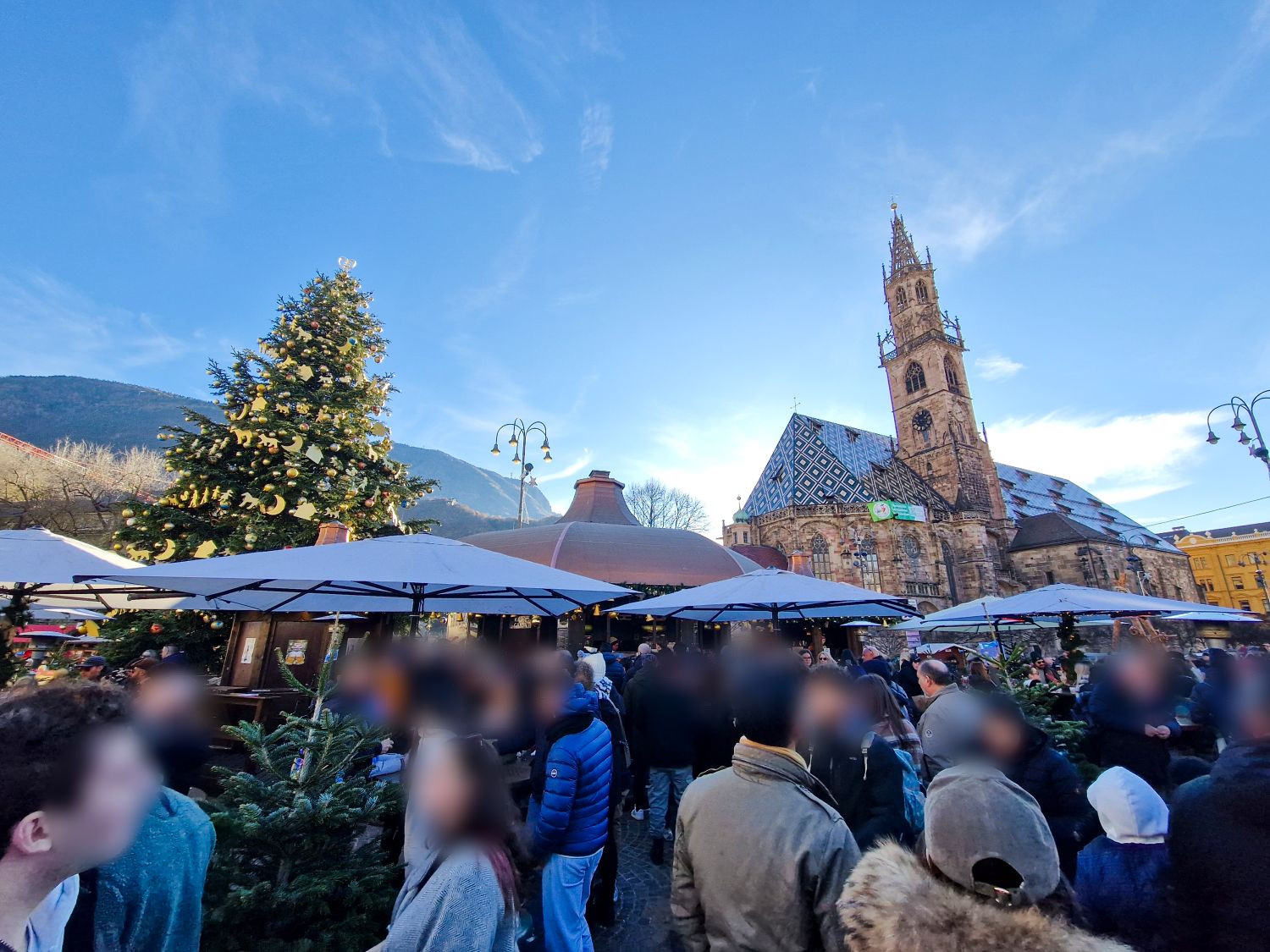
If it’s your first time in the Dolomites, Bolzano is generally not the best place to stay, even though it often looks appealing on a map.
While it’s a beautiful city with good transport connections, it sits outside the mountains themselves and requires long daily drives to reach most Dolomites highlights. This quickly turns sightseeing days into tiring commutes rather than enjoyable time in the mountains.
We’ve met several people who stayed in Bolzano, both with and without a car, and all of them said the same thing. The distance limited what they could realistically do each day, and still, it meant earlier starts, longer drives, and fewer stops along the way.
We experienced this ourselves when driving from Ortisei to Bolzano. What looks like a short distance took us almost an hour one way, with busy roads and confusing intersections.
Even after driving many times in the Dolomites and with GPS navigation on, I made a wrong turn, and that mistake stretched the return drive to nearly an hour and a half. Instead of driving straight back to Ortisei, we went up to Siusi and Castelrotto, on small, narrow roads.
Staying in Bolzano also changes the overall feel of the trip. Instead of waking up surrounded by mountains, you’re approaching them each day from below, adding friction to almost every plan.
Parking, traffic, and drive times become part of the daily routine, and the experience starts to feel more like a city stay with day trips rather than an immersive Dolomites trip.
For most Dolomites itineraries, staying in the mountains is a much better choice. Bases like Val Gardena, Alta Badia, Cortina, or Val Pusteria allow you to spend more time actually in the landscapes you came to see, instead of getting to and from them.
Getting Around
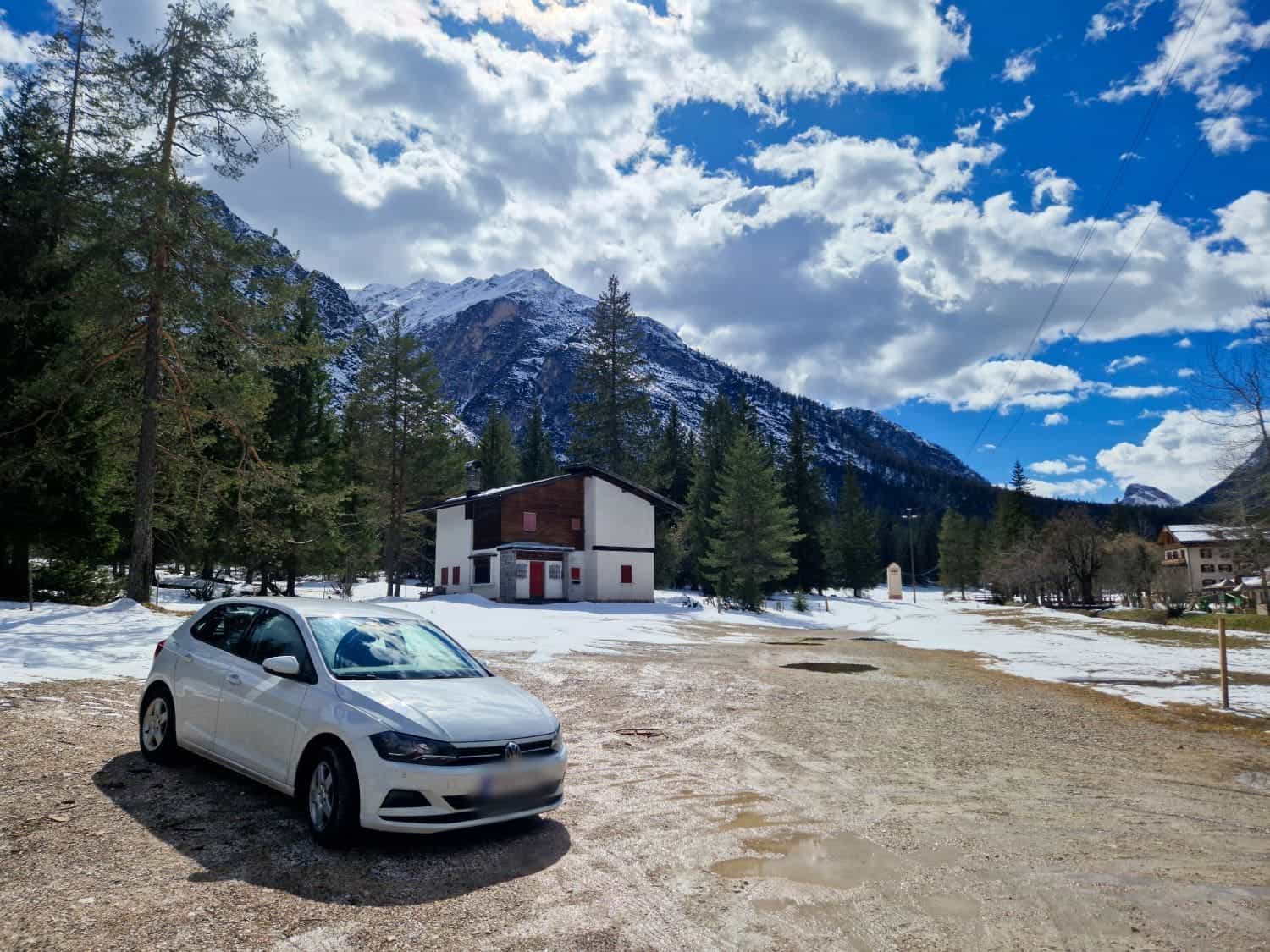
Getting around the Dolomites is very different from traveling in Italy’s cities, and understanding this upfront makes a big difference to how your trip feels.
Distances may look short on a map, but mountain roads, passes, and traffic can quickly turn simple routes into long drives. How easy your trip feels heavily depends on where you choose to stay, as that will determine how far you need to go to the places you plan to visit.
For most travelers, renting and driving a car is the easiest and most flexible way to explore the Dolomites. It allows you to reach trailheads, mountain passes, and viewpoints early in the day, adjust plans based on weather, and avoid being tied to bus schedules. This is especially true if you plan to move between valleys or want to cover a lot of ground.
Although overall it might end up being more expensive, the freedom a car gives you is immeasurable. Stop where you want, leave when you want, and you can also enjoy different places for sunrise or sunset (Lago di Carezza or Cadini di Misurina viewpoint comes to mind!).
That said, not every base requires a car. Places like Dobbiaco and San Candido are exceptions, with good train connections and direct bus routes to major sights such as Tre Cime di Lavaredo and Lake Braies. Or Ortisei if you want to explore the Western Dolomites.
The key is matching your transportation to your base and travel style. Staying in places like Val Gardena, Alta Badia, Cortina, or Val di Fassa generally works best with a car, while bases designed around public transport require a more focused approach. Trying to combine a no-car trip with a base that assumes driving often leads to long days, limited options, and unnecessary stress.
If there’s one takeaway, it’s this: where you stay matters more than how you get around. Choosing a base that fits your plans will save you time, energy, and frustration, and allow you to spend more of your trip actually enjoying the Dolomites rather than navigating them.
So, where should You stay?
The “best” place to stay is less about finding the single “best” location and more about matching your base to the kind of trip you want to have.
If you take one thing away from this guide, let it be this: where you stay will shape your entire Dolomites experience. Choosing a base that supports your pace, interests, and travel style will save you time, reduce stress, and allow you to spend more of your trip enjoying the mountains instead of navigating them.
If you want to make things really easy for yourself – stay in Val Gardena for your if it’s up to 5 days long, and both in Val Gardena and Cortina if it’s longer. That will let you explore both Western and Eastern Dolomites.
Otherwise, before you book, think about what matters most on this trip. That might be minimizing driving time, focusing on hiking or skiing, traveling without a car, or simply slowing down and enjoying the scenery.
If you’d rather not gamble on whether you’ve chosen the right place to stay – or spend weeks rearranging plans after booking accommodations – I offer custom Dolomites and Northern Italy trip planning.
I’ll help you:
- Choose the right base town (or towns) for your route
- Avoid unnecessary driving and backtracking
- Match accommodations to your itinerary, not the other way around
- Build a plan that feels relaxed instead of rushed
👉 Plan your Dolomites trip with confidence
Frequently Asked Questions
Where is the best base for Dolomites?
The best base depends on which side of the Dolomites you’d like to explore. I can recommend Val Gardena in the West and Cortina in the East Dolomites for their accessibility and great activity options.
What is the main town in the Dolomites?
There is no one “main” town, but the most famous are Cortina d’Ampezzo, Bolzano, and Ortisei.
What is the most beautiful part of the Dolomites?
It’s not easy to choose one most beautiful part of the Dolomites. My two favourites, though, are Alta Pusteria, also known as the Three Peaks Dolomites Holiday Region, as it has such wonderful sights as Tre Cime, Lago di Braies, Lago di Sorapis, Cadini di Misurina, Prato Piazza, and so many other places.
The second favourite is Val Gardena, where you get easy access to Alpe di Siusi, Seceda, Santa Maddalena di Funes (in Val di Funes), among other places.
How many days do you need in the Dolomites?
As a minimum you need two full days in the Dolomites. That will give you a chance to get a feeling of one side of the Dolomites.
My recommendation is to have at least 4 full days (six nights) and spend 3 nights in one area and 3 in another.

Michal and Kristine:
Thank you for this great website! I traveled with my family of 5 two years ago and we stayed in Val Gardena. We had a great time. We are headed back to Ortisei for three nights in June (june 10 – 14th). We will explore the Val Gardena hiking trails again. We would like to travel for 3 more nights and possibly stay in two rifugios during a hike. If we had three more days to hike and visit, where do you recommend? We like the beautiful sight seeing and hiking trails and love to see one or two spectacular rifugios. Do you have an idea for us? This wouldbe June 14th, June 15th and June 16th. I realize it is late notice. Thank you for your thoughts and this great website!
Kevin
Hi Kevin,
Thank you so much for the nice words! I’m glad you found the information helpful.
About your stay, there seem to be some rifugios available. For example, looks like Rifugio Firenze might have free rooms or you can try and contact rifugio Genova
I really liked the view from Rifugo Prato Piazza, so maybe you can try to contact them.
The rifugio Vandelli on the way to lake Sorapis is amazing, too.
What you need to do is check out the hikes and see what rifugios are on the way, and if they still accept guests. Generally, the bookings for the summer open in February, and the more popular ones (like by Tre Cime) book out in days… 🙁 Good luck!
Cheers,
Kristine
Dear Michal and Kristine:
Thank you for providing us such detailed information about travelling in Dolomites.
Actually, I am planning to visit there with 2 friends around mid June 2025. Originally, we intend to have 7-day Dolomites plus 7-day Switzerland (aiming for easy to middle level hiking trails), but after reading your information, there are so many places to visit Dolomites, what will you suggest? keeping our original plan or just stay in Dolomites for 14 days? Is it possible for us to stay at both Val Gardena and Dobbiaco or Cortina within a week so that we could enjoy hiking at the beautiful spots in the west and east of Dolomites??? We really have no idea how to start……
Hi!
Thank you so much for the comments!
I think, depending on where you are traveling from and what are your opportunities to come again, you can leave the 7 days in Switzerland and 7 days in Dolomites plan. For a first impression, the 3 nights on one side and 3 on the other side of the Dolomites would be enough 🙂 Switzerland is very beautiful as well, so it would be a shame if you wouldn’t be able to see it ^_^
For planning the Dolomites trip, have you checked our “How to plan” article?
Thank you for this amazing blog. Where would you recommend to stay for autumn visits (October)?
Hi Maria,
Thank you so much! I’m so happy that you like it!
On our trip in October, we stayed in Santa Cristina di Val Gardena, and I’d say it was pretty perfect.
If you’d like the East side (Tre Cime, Lake Braies, etc), I’d look into San Candido, Dobbiaco, or Rasun/Anterselva. Not Cortina at this time, as it’s in full preparations for the Olympics.
Here are some hotel options (I know it says “budget”, but in reality, it’s the alternatives for the most popular places)